May 13, 2026
Key Summary: This guide walks you through everything you need to know about making a morning run part of your routine, from the right warm-up and mileage to what to eat before a morning run for peak performance. It also explores why pairing your run with professional spa recovery at a 5-star hotel spa in Na Jomtien can turn a simple workout into a complete wellness ritual.
Table of Contents:

The first few strides of a morning run are almost meditative. From the cool air on your skin to the distant sounds of chirping birds and rustling leaves, your morning run can be an escape.
However, despite the benefits, starting and sustaining the habit takes some willpower. If you're figuring out how to run in the morning or wondering how much should I run in the morning to see real progress, this guide covers every step of the journey, including how and when to recover and why a spa day at a 5-star hotel spa in Na Jomtien might be exactly what beginner and advanced runners need.
It would be easy to dismiss a morning run as just another form of cardio. In reality, it functions more like a master switch for the rest of your day:
If you have ever set an alarm with the best intentions and then abandoned it by 6:02 AM, you are not alone. Knowing how to run in the morning consistently is less about motivation and more about removing friction.
The secret to a successful morning run starts the evening before it happens. Lay out your running clothes, fill your water bottle, and plan your route so that when the alarm sounds, your only job is to get dressed and step outside. The less you have to think at dawn, the less opportunity there is to negotiate with yourself back under the covers.
Solo runs have their charm, but accountability is a powerful fuel, especially in the early weeks of building a habit. Meeting a running partner, joining a local group, or even committing to a virtual challenge can turn your good intentions into a reliable routine.
Your muscles are naturally stiffer after hours of sleep, so spend five to ten minutes on dynamic stretches before heading out:
Save static stretches like hamstring holds, quad pulls, and calf stretches for after the run, when your muscles are warm and flexible.
Reflective gear and a small headlamp are worth the investment for pre-dawn hours. If you are running in a tropical climate, somewhere like the beaches of Na Jomtien in Pattaya, starting early also means you beat the midday heat. Stay hydrated from the moment you wake up, and always let someone know your route.
This depends entirely on where you are in your running journey:
Whatever your level, one rule stands above the rest: listen to your body. A training plan is a guide, not a contract. Consistency across weeks matters far more than heroics on any single morning.
The question of eating before a morning run tends to split runners into two camps: those who eat something light and those who run on empty. Both can work, but for most people running longer than 30 minutes, a small snack 30 to 60 minutes before heading out makes a noticeable difference.
The ideal pre-run snack is easy to digest and leans toward simple carbohydrates with a touch of protein or healthy fat. Think kindling, not a full log on the fire:
Avoid anything heavy, greasy, or loaded with fiber. Your stomach will remind you mid-stride that it was the wrong call. As for hydration, a glass of water is non-negotiable. For runs longer than an hour, consider an electrolyte drink to replace sodium and potassium lost through sweat.
Finishing a run does not mean the work is done. A proper cooldown separates runners who improve
week after week from those who plateau or pick up injuries.
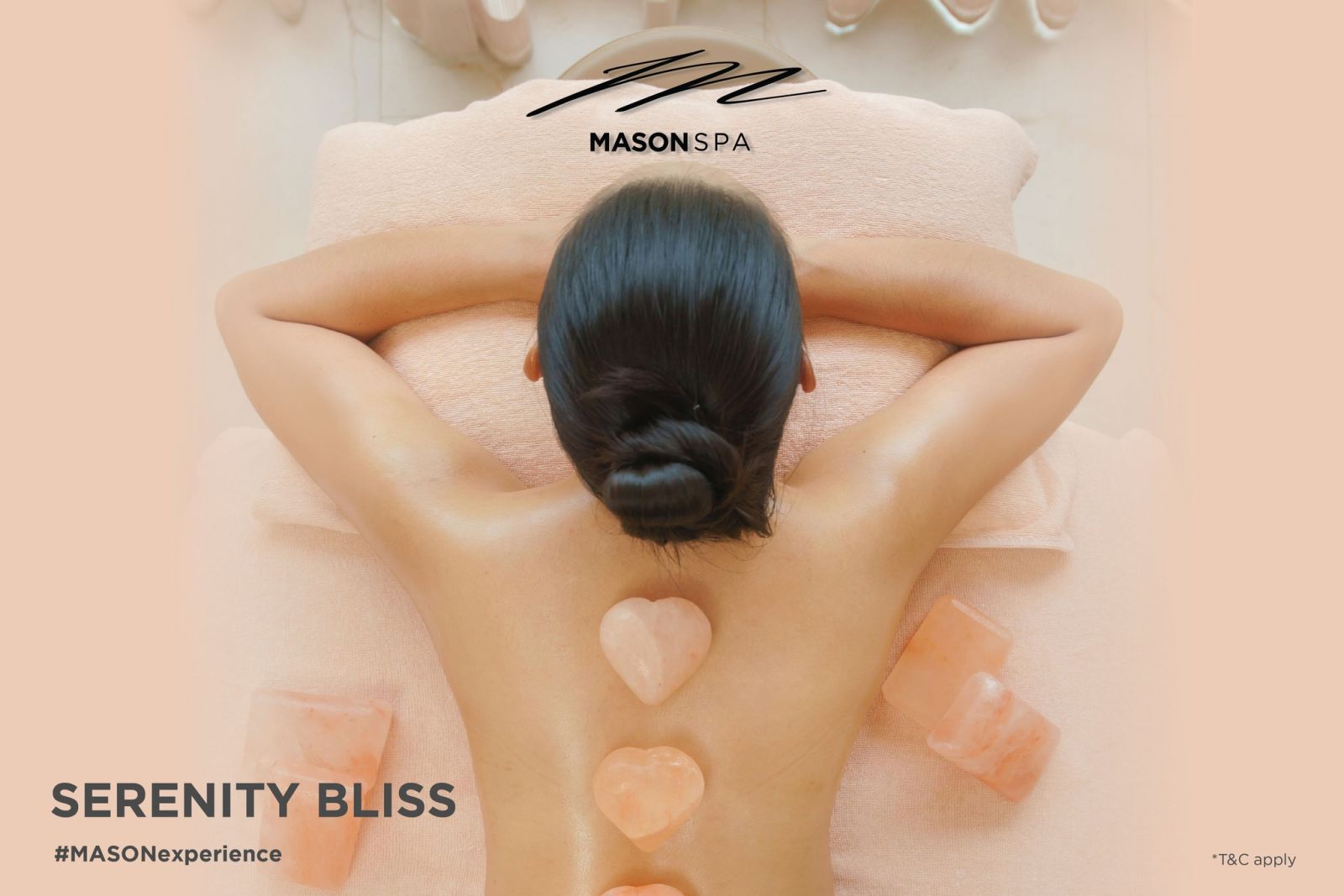
Muscles tighten after workouts, and while stretching helps, professional recovery boosts deeper healing and rejuvenation.
A 5-star hotel spa in Na Jomtien elevates your recovery experience. Spa therapies that complement running include:
At MASON Spa, the award-winning ZILA Stone Signature Massage uses rare Angsila stones found only in the Chonburi province, a treatment designed to target deep-set tension while leaving you in a state of pure bliss. For facial recovery after sun exposure, treatments featuring Biologique Recherche products help repair and hydrate skin, perfect for outdoor runners.
If you find yourself on the coastline of Na Jomtien, or you are planning a trip that combines fitness with genuine rest, here is what a perfect day might look like:
A morning run is one of the simplest ways to take ownership of your day. By taking the right steps, it can turn into a habit that rewards you for years to come.
As you get started on this new pursuit, don’t forget about your recovery. For transformative, rejuvenating wellness experiences, MASON is a 5-star hotel spa in Na Jomtienthat brings together beachfront serenity, award-winning treatments, and privacy for an elevated peace of mind. Explore MASON's wellness packages or book your stay now.
1) Should I warm up before a morning run?
Yes. Your muscles are stiffer after sleep, so spend five to ten minutes on dynamic stretches like leg swings, hip circles, walking lunges, and gentle high knees.
2) How do I build a consistent morning running habit?
Prepare the night before. Lay out your clothes, fill your water bottle, and plan your route. The less you have to think at dawn, the easier it is to get out the door. A running partner or group adds accountability.
3) What should I eat before a morning run?
A light snack 30 to 60 minutes before works best. Good options include a banana with nut butter, oats with berries, or toast with honey. Avoid heavy or high-fiber foods. Always drink water before heading out.
4) How far should a beginner run in the morning?
Aim for 1.5 to 3 miles (about 2 to 5 kilometers). A run-walk approach is a safe and effective way to build endurance. Increase distance gradually and listen to your body.
5) Why is spa recovery important after running?
Running creates tightness in muscles, especially after early-morning sessions. Treatments like deep tissue massage and Thai massage improve circulation, release lactic acid, and restore flexibility, helping reduce injury risk over time.
6) Can I combine a morning run with a spa day in Na Jomtien?
Absolutely. Na Jomtien's quiet coastline is ideal for a sunrise run, and MASON Spa offers professional recovery treatments nearby. A typical day might include a beachfront run, a wholesome breakfast, and a mid-morning spa session.
SHARE IT


Copyright 2024 © MASON. All rights reserved. Design By averyandco.co.th